
Cerebral palsy
Your child has a lot to say, even if their body makes it harder. We help them find a way to be heard, and make eating and daily tasks a little easier.
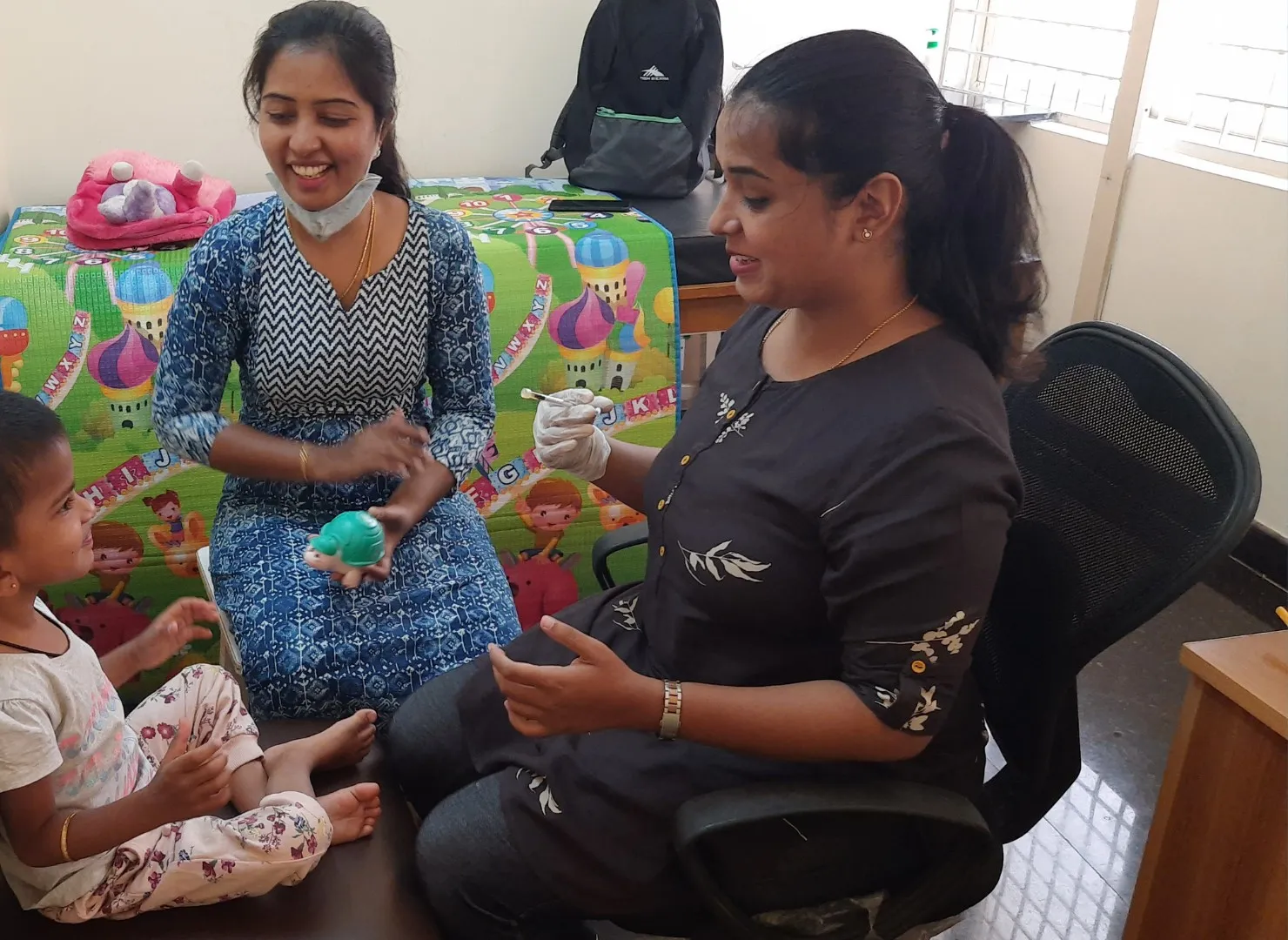
Signs parents often notice
- Stiff or floppy body
- Late to sit or walk
- Trouble chewing or swallowing
- Drooling past the toddler years
- Speech slow or unclear
- Hard to use hands for play
How we can help
Communication in any form
Speech, signs, pointing or pictures. Therapy looks for what works for your child.
Safer, easier eating
Positioning, textures and mouth exercises to make meals safer and less tiring.
Hands and daily tasks
Building hand use, posture for play, and independence in eating and dressing.
Start as early as possible
Early therapy helps babies build movement, sounds and play while the brain is growing fast.
More about cerebral palsy
What it is
Cerebral palsy (CP) is caused by an injury or difference in the developing brain, before, during or soon after birth. It mainly affects movement and posture. For many children it also affects the muscles used for speech, chewing and swallowing. Every child with CP is different.
What helps
Children with CP usually have a team, including doctors and a physiotherapist. We focus on:
- Communication: speech where possible, and AAC (such as picture boards) so your child can be heard
- Feeding: safer swallowing, chewing and less tiring meals
- Occupational therapy: hand skills, seating and daily routines
We show you ways to help at home. Learn more about our feeding therapy.
When to get help
If your child coughs or chokes while eating, speak to your doctor straight away. For communication, eating or daily skills, contact us. It is never too early or too late.
Questions parents ask
Who diagnoses cerebral palsy?
A paediatric neurologist or developmental paediatrician, often with the help of a brain scan. Speech, feeding and occupational therapy can sit alongside medical care and physiotherapy.
My child can't speak. Can they still communicate?
Yes. Many children with cerebral palsy communicate well using pictures, eye gaze, signs or a speech device. Having a way to communicate reduces frustration and can help spoken words too.
Does cerebral palsy get worse over time?
The brain injury itself does not get worse. But muscle stiffness and daily needs can change as a child grows, which is why regular therapy and check-ups help.
Every child is different. If this seems right for your child, please ask your therapist for more details.
Therapies that help
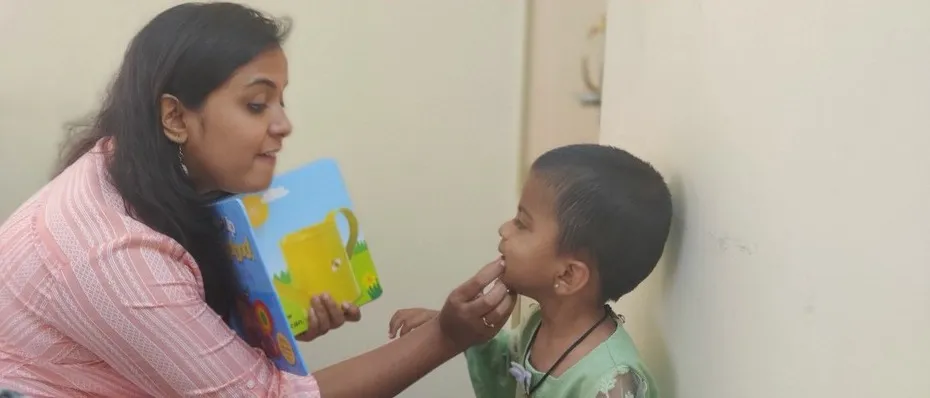
Speech therapy
For late talkers, unclear speech, stammering and apraxia.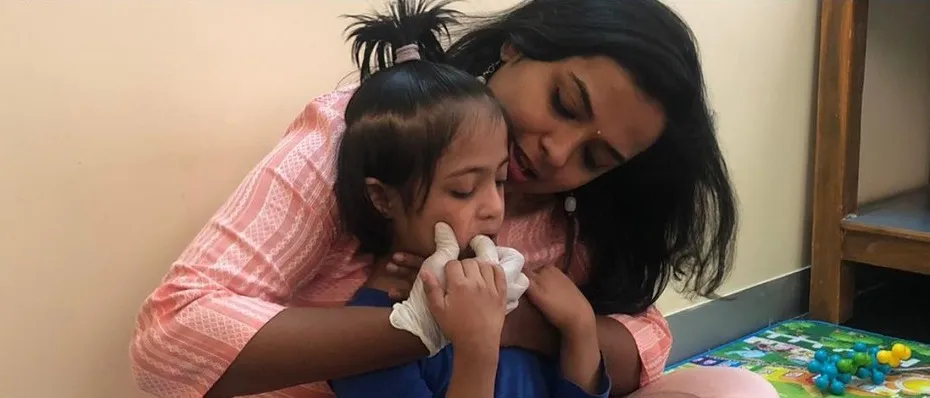
Feeding therapy
For children who eat very few foods, find chewing hard, or won't move on to new textures.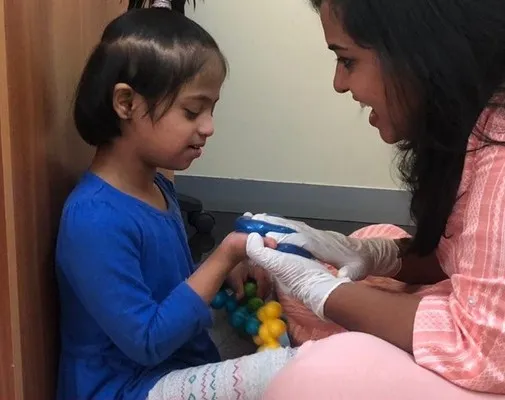
Occupational therapy
For children who find handwriting, movement or everyday tasks like dressing harder than others.Early intervention
For babies and toddlers, from 3 months to about 5 years, who are slow to reach milestones.
Worried about your child?
You don’t need a diagnosis to talk to us. Call or WhatsApp, and we’ll help you work out the next step.