
Learning difficulties
Your child is not lazy, and they are not "just not trying". Some children learn differently, and when we teach the way they learn, school starts to feel possible again.
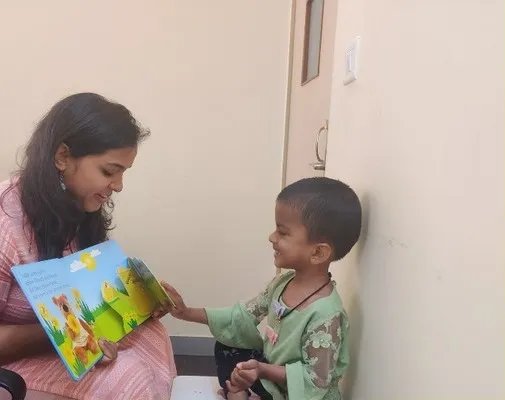
Signs parents often notice
- Mixes up b and d
- Reads slowly and guesses words
- Spelling is hard to remember
- Messy or slow handwriting
- Struggles with numbers
- Avoids homework or reading aloud
- Says "I'm stupid" about school
How we can help
Teaching the way they learn
Step-by-step, multisensory lessons in reading, spelling and maths at your child's level.
Attention and memory
Games and tasks that build focus, working memory and planning for schoolwork.
Language behind reading
Sounds in words, vocabulary and understanding stories, which all make reading easier.
Handwriting and posture
Hand strength, pencil grip and sitting comfortably for longer tasks.
More about learning difficulties
What it is
A learning difficulty means a child finds certain school skills much harder than expected for their age and ability. The most common is dyslexia, which affects reading and spelling. Others affect writing or maths. It is not about effort or intelligence.
Sometimes school struggles also come from attention, language or vision and hearing, so it helps to look at the whole picture.
What helps
- Special education with structured, multisensory teaching
- Cognitive therapy for attention, memory and organisation
- Speech and language work on sounds in words and understanding
- Occupational therapy for handwriting
- Working with you, so practice carries on at home
We also look after confidence, because a child who believes they can learn tries again. Read more about special education.
When to get help
If your child is falling behind despite trying, or dreads school, don’t wait for them to grow out of it. Talk to us about an assessment.
Questions parents ask
Who diagnoses dyslexia or a learning disability?
A clinical or educational psychologist, after testing. This usually happens once a child has had some time in school. We can help your child before or after a formal assessment.
Is a learning difficulty a sign of low intelligence?
No. Many children with dyslexia are bright and curious. Their brain simply processes written language differently, and the right teaching helps a lot.
Every child is different. If this seems right for your child, please ask your therapist for more details.
Therapies that help
Special education
Learning support for reading, writing, maths and getting ready for school.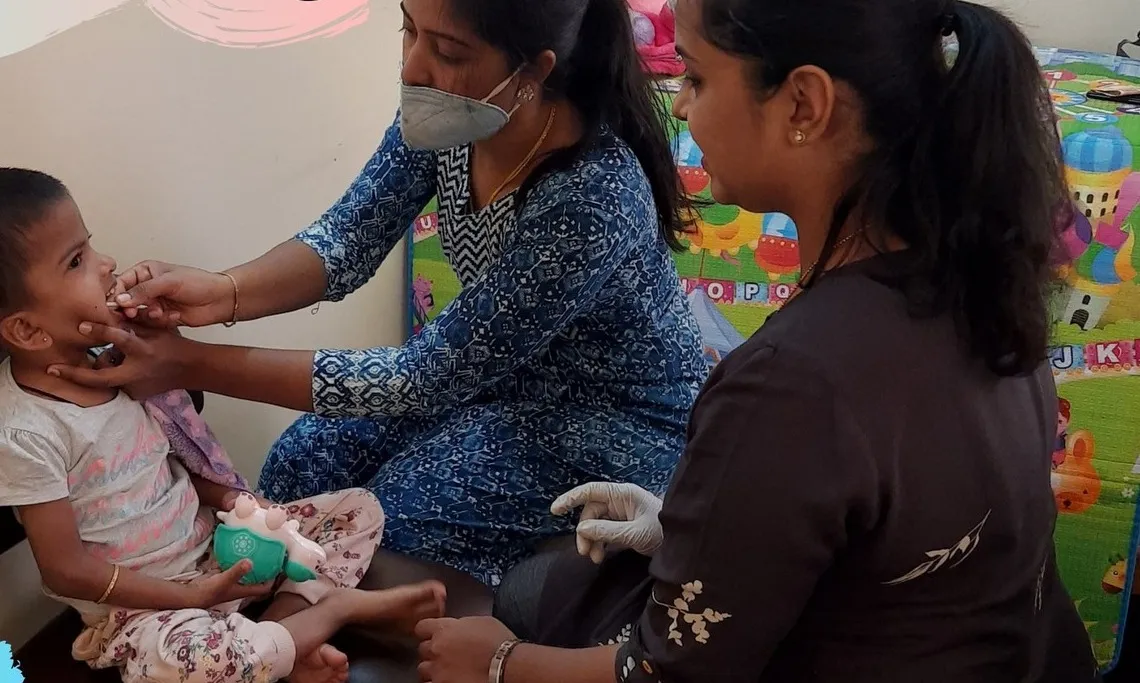
Cognitive therapy
For children who find it hard to focus, remember, plan or finish what they start.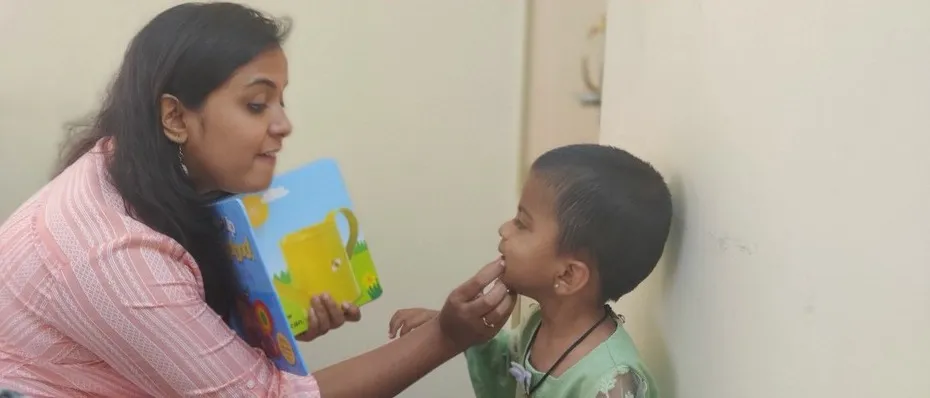
Speech therapy
For late talkers, unclear speech, stammering and apraxia.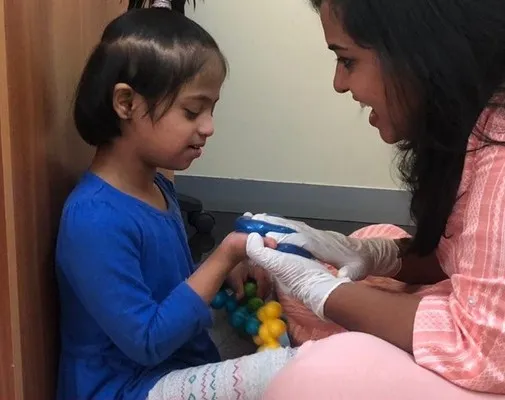
Occupational therapy
For children who find handwriting, movement or everyday tasks like dressing harder than others.
Worried about your child?
You don’t need a diagnosis to talk to us. Call or WhatsApp, and we’ll help you work out the next step.