
Sensory processing difficulties
If everyday sounds, clothes or crowds seem to overwhelm your child, there is a reason. We help you understand what they are feeling and make daily life calmer for everyone.

See what it looks like at Turtle Express
Signs parents often notice
- Covers ears at everyday sounds
- Hates haircuts or nail cutting
- Bothered by clothes or labels
- Very picky with food textures
- Always crashing, jumping or spinning
- Seems not to notice pain
- Meltdowns in busy places
How we can help
Understanding your child
An occupational therapist looks at how your child responds to sound, touch and movement.
Play that helps them settle
Swinging, climbing and hands-on play in a safe space, guided by your child's needs.
Easier daily routines
Practical changes for bath time, dressing, meals and outings.
Food and textures
Gentle, step-by-step help if sensory needs make eating hard.
More about sensory processing difficulties
What it is
We all take in information through our senses. Some children feel sounds, touch or movement much more strongly than others. Some feel them less, and seek out more. This can make everyday things like haircuts, noisy shops or new clothes really hard.
Sensory differences are common in autism, ADHD and developmental delay, and they can also appear on their own.
What helps
- Occupational therapy to understand your child’s sensory needs
- Sensory-based play in a safe space, guided by your child
- Small changes at home, like softer clothes, ear defenders or a calm corner
- Clear routines and warnings before changes
Research on sensory approaches is still growing, so we keep goals practical and check they make a real difference to daily life. See our occupational therapy.
When to get help
If sensory reactions are affecting eating, sleep, learning or family outings, it is worth an assessment. Contact us to talk it through.
Questions parents ask
Is sensory processing disorder a diagnosis?
Doctors don't usually treat it as a diagnosis on its own. Sensory differences often come with autism, ADHD or developmental delay. An occupational therapist can assess them, and a paediatrician can check for anything else.
Will my child grow out of it?
Some children become more comfortable as they grow. Others keep their sensory preferences. Either way, understanding them and having calming strategies makes daily life easier.
What can I do at home?
Notice what triggers your child and what calms them. Give warnings before changes, and offer a quiet space. We will suggest ideas that suit your child.
Every child is different. If this seems right for your child, please ask your therapist for more details.
Therapies that help
Occupational therapy
For children who find handwriting, movement or everyday tasks like dressing harder than others.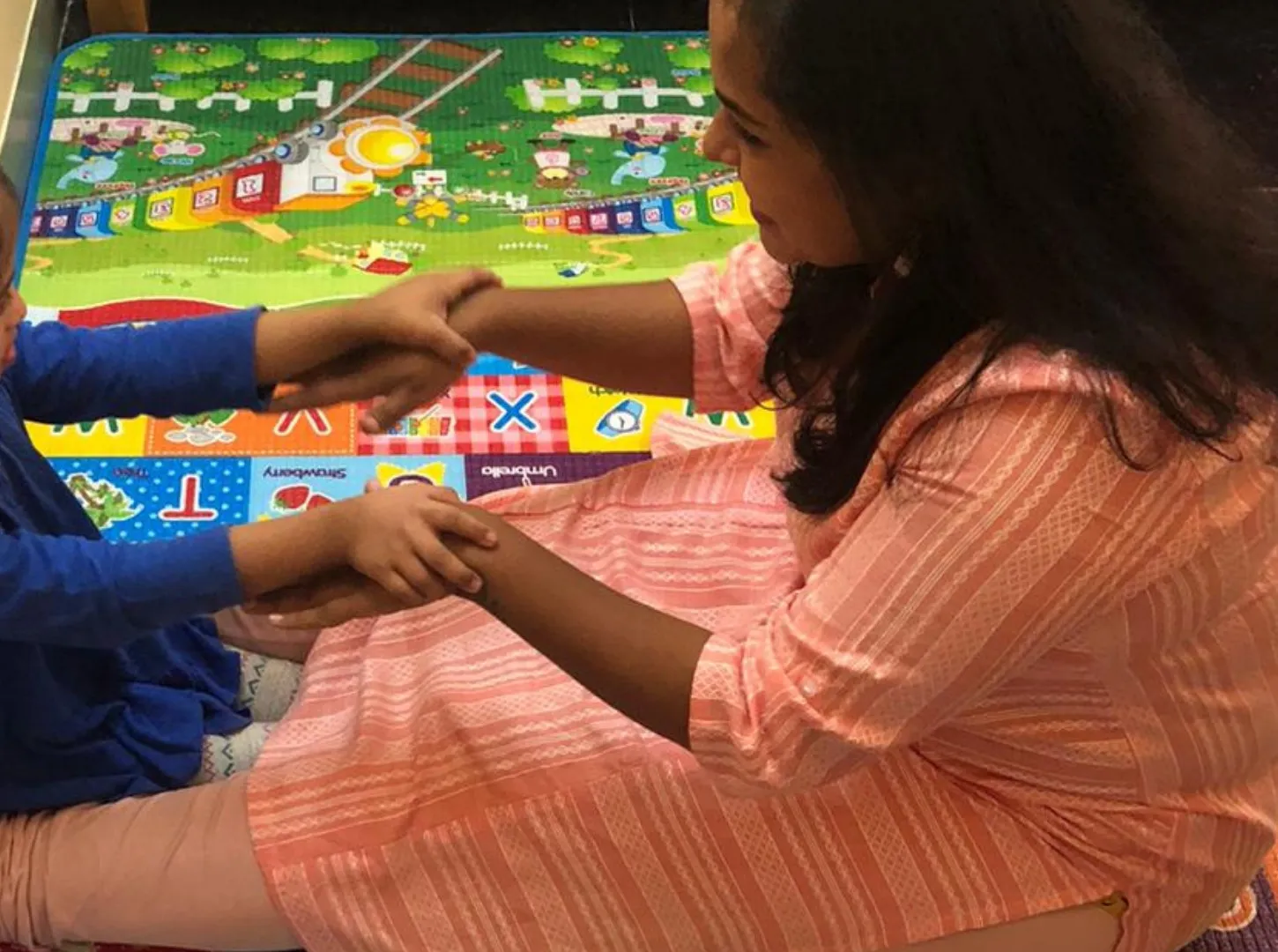
Sensory integration therapy
For children who are over- or under-sensitive to sound, touch or movement.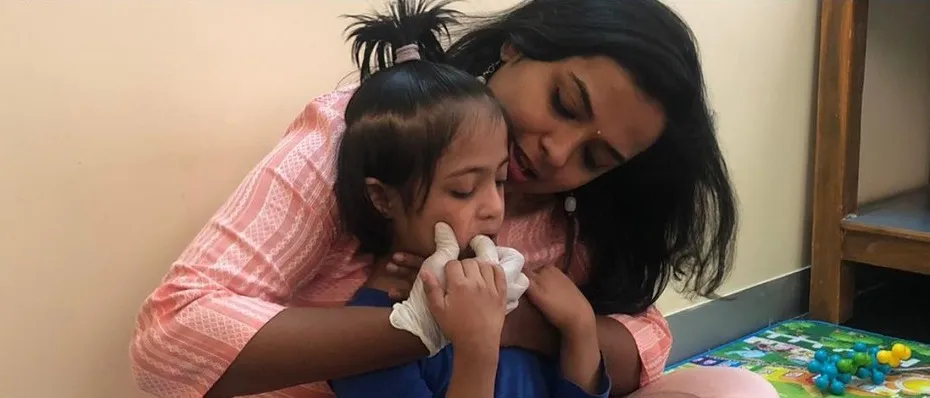
Feeding therapy
For children who eat very few foods, find chewing hard, or won't move on to new textures.
Worried about your child?
You don’t need a diagnosis to talk to us. Call or WhatsApp, and we’ll help you work out the next step.