
Stammering (stuttering)
Your child has plenty to say, and their words deserve patience. We help them speak more easily, and help you know how to respond at home.

Signs parents often notice
- Repeats sounds like "b-b-ball"
- Stretches sounds like "sssun"
- Gets stuck with no sound
- Blinks or tenses when talking
- Avoids certain words
- Stops talking in class
- Gets upset about their speech
How we can help
A careful assessment
We listen to how your child talks, how often they get stuck and how they feel about it.
Parents as partners
For young children, much of the work happens through you, in short, calm talking times at home.
Easier ways to speak
Older children learn techniques to speak more smoothly and move through stuck moments.
Confidence to talk
We work on worry and avoidance too, so your child keeps talking in class and with friends.
More about stammering
What it is
Stammering, also called stuttering, is when the flow of speech gets interrupted. A child may repeat, stretch or get stuck on sounds. It often starts between ages 2 and 5, when language is growing fast. It is not caused by nervousness, though stress can make it more noticeable.
What helps
- Early help for young children, mostly through simple changes at home
- Speech techniques for older children and teens
- Working on feelings and confidence, not just fluency
- Patient listeners at home and at school
At home, try to:
- Give your child time and your full attention
- Speak a little slower yourself
- Praise what they say, not how smoothly they say it
Read more about our speech therapy. Teenagers and adults can see us too.
When to get help
If stammering has lasted more than 6 months, there is family history, your child tenses up, or they have started avoiding talking, get in touch.
Questions parents ask
Will my child grow out of stammering?
Many young children do, but no one can say for sure which ones. If it has lasted more than about 6 months, is getting worse, or bothers your child, see a speech therapist.
Did I cause my child's stammer?
No. Stammering is not caused by parenting, stress or bad habits. Genes and how the brain develops speech play a big part.
How should I respond when my child gets stuck?
Stay calm and wait. Look at them kindly and let them finish. Avoid saying "slow down" or finishing their words. Listen to what they say, not how they say it.
Every child is different. If this seems right for your child, please ask your therapist for more details.
Therapies that help
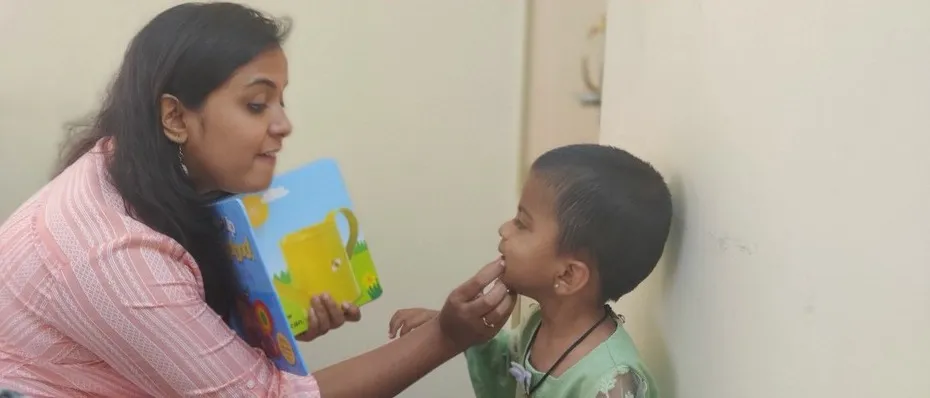
Speech therapy
For late talkers, unclear speech, stammering and apraxia.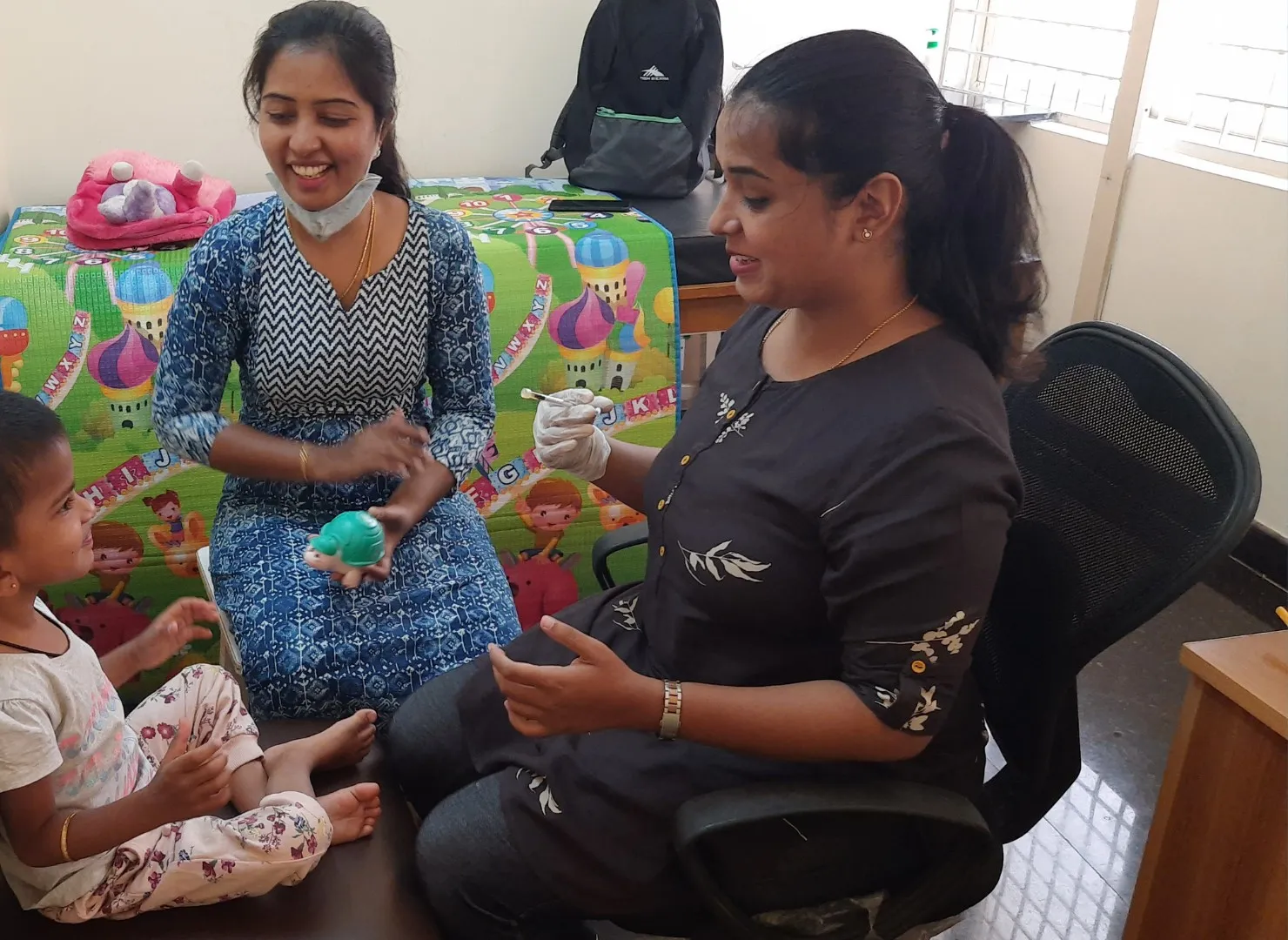
Early intervention
For babies and toddlers, from 3 months to about 5 years, who are slow to reach milestones.
Speech and voice therapy for teens and adults
For teens and adults with slurred speech after a stroke, word-finding trouble or voice loss.
Worried about your child?
You don’t need a diagnosis to talk to us. Call or WhatsApp, and we’ll help you work out the next step.