
Child-centred play therapy
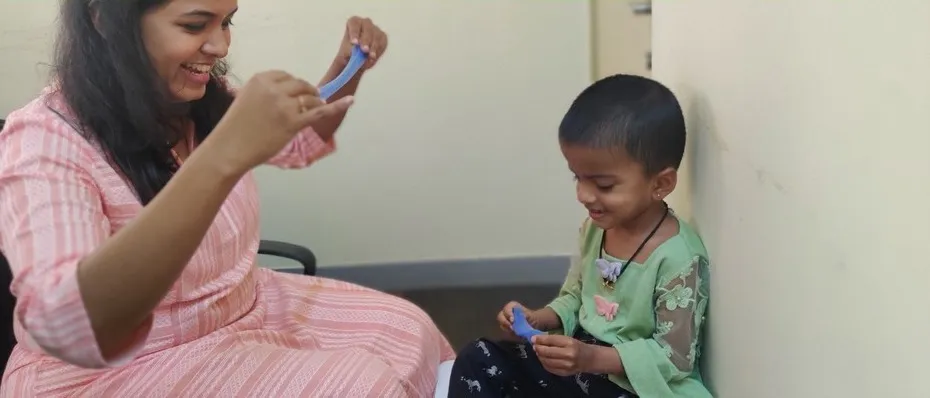
Children don't always have words for big feelings, but they can show them through play. Here your child gets a safe, accepting space to do just that.
See what it looks like at Turtle Express
When it is often recommended
- Big outbursts of anger or fear
- Anxious, withdrawn or clingy
- Struggling with a big change
- Gives up when things feel hard
- Can't put feelings into words
- Finds it hard to get along
How we work
We hear from you first
We hear about your child, their history and what worries you.
Your child leads the play
Your child chooses from a carefully picked set of toys, and the therapist follows their lead.
Feelings noticed and named
The therapist reflects what your child is doing and feeling, and sets a few gentle limits to keep things safe.
Ideas for home
We share what we see, without breaking your child's trust, and suggest ways to respond at home.
More about child-centred play therapy
How play therapy can help
- Big feelings: recognising and coping with fear, anger and sadness
- Confidence: feeling capable and accepted
- Getting along: understanding others
- Problem solving: trying out ideas in a safe space
All children have hard days and phases. It is worth talking to us when feelings or behaviour are affecting your child’s happiness, family life or school. Change is usually gradual.
Our training
Our founder is certified in Child-Centred Play Therapy through the National Association for Play Therapy India. She brings its ideas into other sessions too, because children learn best when they feel safe and accepted.
Who we see
Young and school-age children going through emotional or behavioural difficulties, including children with autism, ADHD or speech delay. It can sit alongside social communication groups or speech therapy. Sessions run at our centre in T. Dasarahalli.
Questions parents ask
How can play be therapy?
Play is how children communicate. Many can't explain their feelings yet, but they can show them. A trained therapist follows your child's lead and helps them make sense of what they feel.
Do parents join play therapy sessions?
In child-centred play therapy, sessions are often just the child and the therapist, so the child has a space of their own. Ask us how you can be involved.
Is my child's speech delay a problem for play therapy?
No. Play therapy doesn't depend on words, which is one reason it suits young children and children who find talking hard.
Every child is different. If this seems right for your child, please ask your therapist for more details.
After having taken speech therapy from multiple big named centres in Bangalore over the last 4 yrs for my on the spectrum kid with speech apraxia, I can confidently vouch for Pashyanti's experience and dedication to her work. … She is one of her kind whom I have seen using OPT, Hanen , PROMPT and AAC in the same session so beautifully blending them in her flow.
Other ways we help

Wondering if this is right for your child?
Every child’s needs are different. Talk to us, and we’ll think it through with you.