
Early intervention
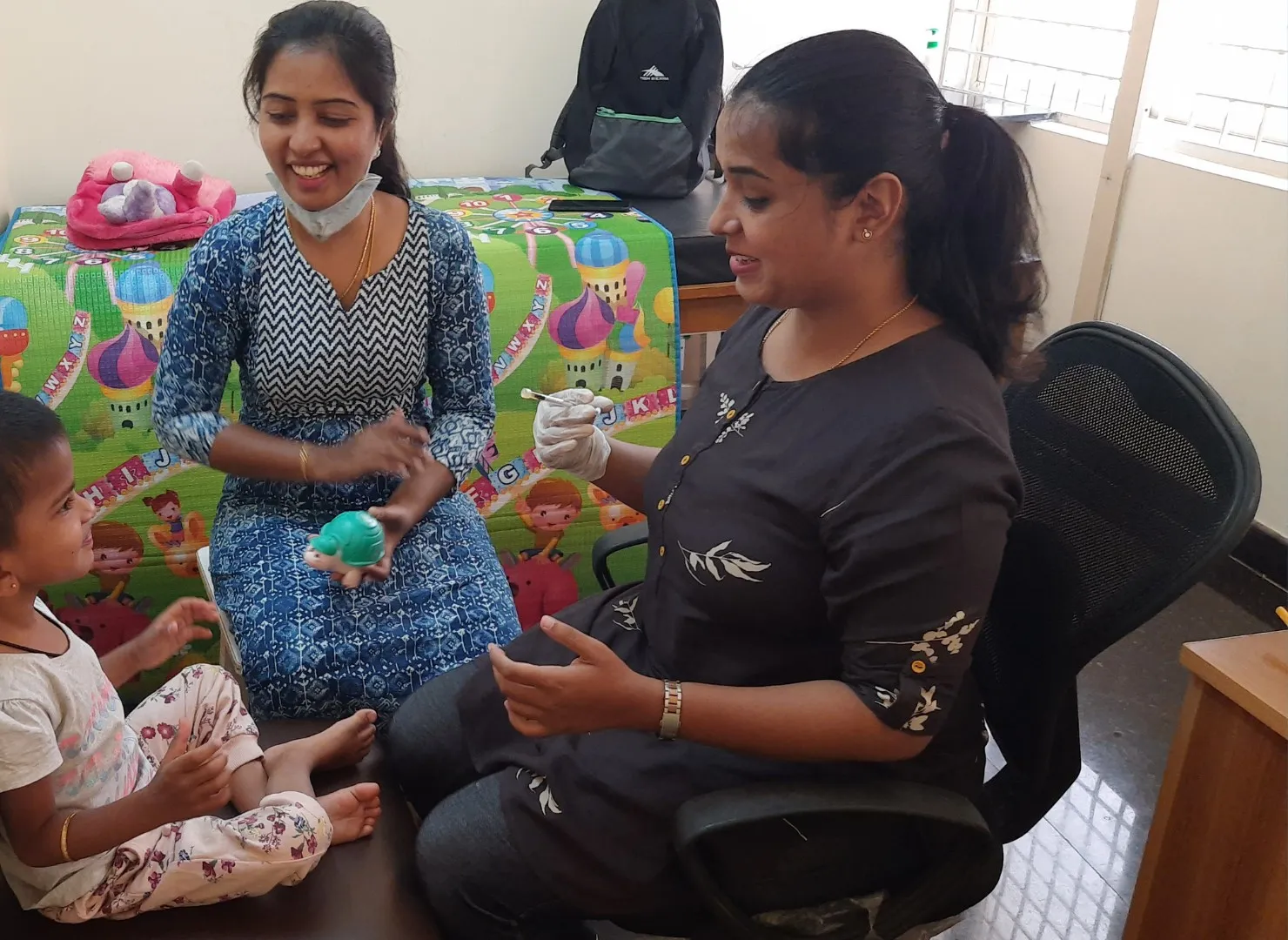
If something feels not quite right with your baby, you don't have to wait and see. We start early, gently, and mostly through play with you.
When it is often recommended
- Not babbling by 12 months
- Doesn't turn to their name
- Rarely looks at you
- No pointing by 15 months
- Not walking by 18 months
- Plays with toys the same way
- Losing words or skills
How we work
We watch your baby play
A gentle first visit where we see how your child moves, listens and connects, and ask about sleep, feeding and routines.
A few goals that matter
We agree on a small number of goals that fit your family's day, not a long list.
Play led by your child
Peekaboo, songs and the toys your child already loves become the lesson.
Coaching you at home
We show you how bath time, meals and nappy changes can become chances to learn.
More about early intervention
Why start early
The first few years are when children learn fastest, so this is when help tends to count most. One late milestone on its own is not always a worry. But if your gut says something is off, trust it. And if your child is losing words or skills, get it checked promptly.
You are the main part of therapy
You spend far more time with your child than we ever will. So much of our work is showing you what to do in ordinary moments:
- Hanen More Than Words ideas, from our founder’s certification, in sessions and parent coaching
- Joining sessions, or watching through our observation window
- Feedback after every session, with simple things to try at home
- Our parent programme on child development
Who we see
Babies and young children with developmental delay, early signs of autism, Down syndrome, and hearing loss. Sessions may draw on speech, occupational and feeding therapy. We see families at our centre in T. Dasarahalli. Ask us whether online sessions suit your child.
Questions parents ask
Is my baby too young for therapy?
No. We see babies from 3 months. At this age therapy looks like play and is mostly about coaching you during everyday routines.
Should I wait and see if my child catches up?
Some children do catch up, but it is hard to know which ones will. An assessment does not commit you to therapy. It tells you where your child is and what you can start doing now.
What is Hanen More Than Words?
A parent programme from The Hanen Centre in Canada for parents of young children with autism or social communication difficulties. It teaches practical ways to connect and communicate in daily life. Our founder is certified in it.
Do I need a diagnosis first?
No. Many families come with a worry, not a diagnosis. We start by understanding your child, and we will tell you if a doctor's opinion would help.
Every child is different. If this seems right for your child, please ask your therapist for more details.
Often helps children with
After having taken speech therapy from multiple big named centres in Bangalore over the last 4 yrs for my on the spectrum kid with speech apraxia, I can confidently vouch for Pashyanti's experience and dedication to her work. … She is one of her kind whom I have seen using OPT, Hanen , PROMPT and AAC in the same session so beautifully blending them in her flow.
Other ways we help
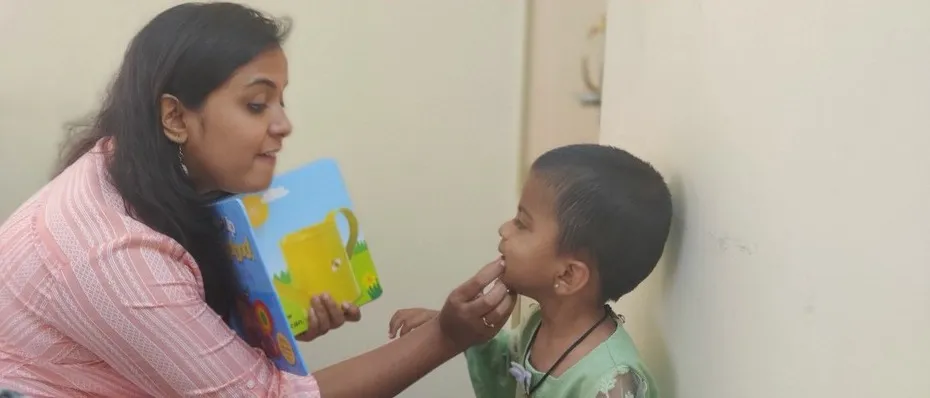
Speech therapy
For late talkers, unclear speech, stammering and apraxia.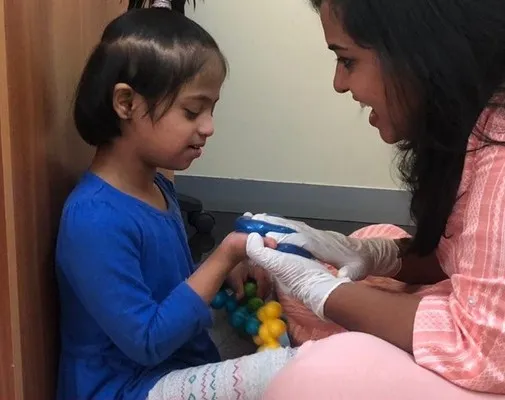
Occupational therapy
For children who find handwriting, movement or everyday tasks like dressing harder than others.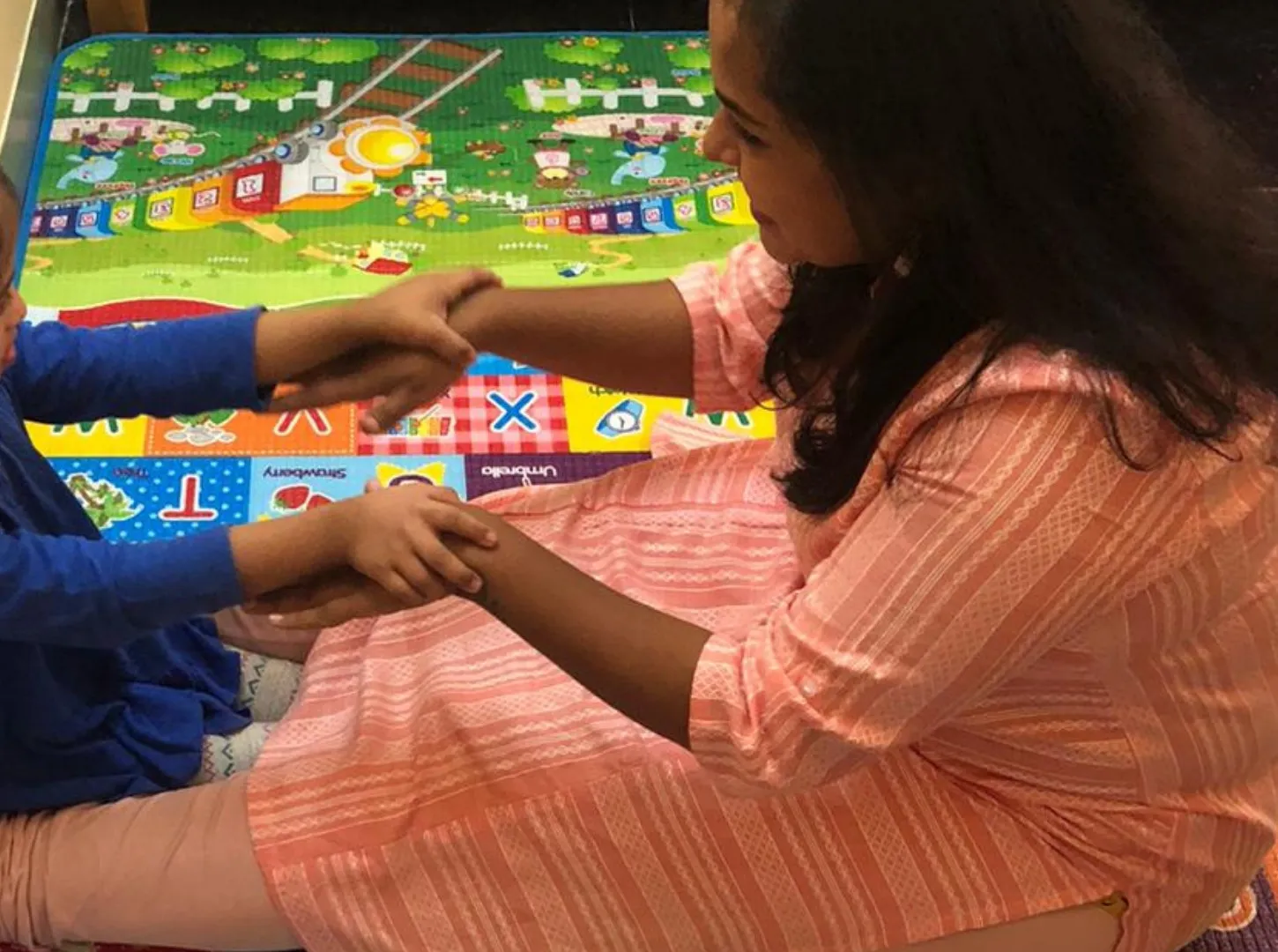
Sensory integration therapy
For children who are over- or under-sensitive to sound, touch or movement.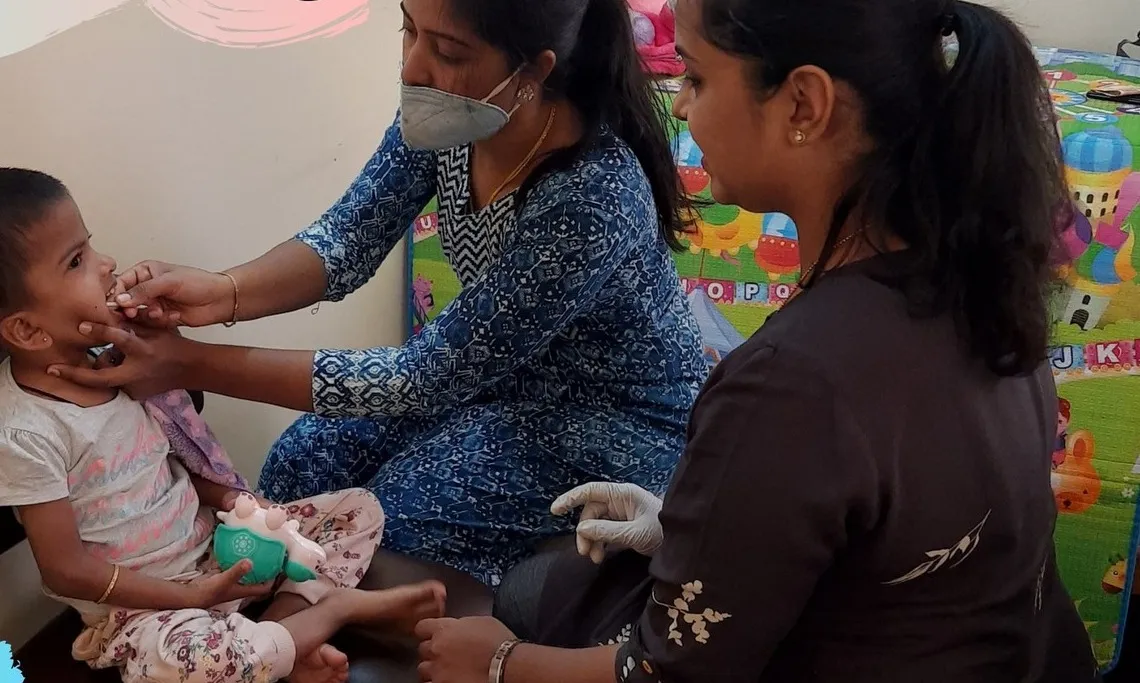
Cognitive therapy
For children who find it hard to focus, remember, plan or finish what they start.
Wondering if this is right for your child?
Every child’s needs are different. Talk to us, and we’ll think it through with you.