
Special education
When school feels like a daily struggle, your child can start to believe they can't learn. We teach the way your child learns, one small step at a time.
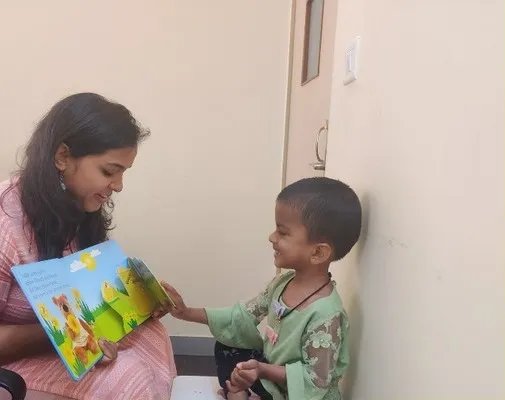
When it is often recommended
- Struggles with letters and sounds
- Reads slowly or guesses words
- Hard to copy from the board
- Number facts just won't stick
- Avoids homework, or cries over it
- Anxious about going to school
- Starting school, not sure they're ready
How we work
We see how your child learns
We look at reading, writing and number skills, and talk with you about school and homework.
Small, clear steps
Each skill is broken down so your child can succeed often and build confidence.
Hands-on learning
Multisensory activities, like tracing letters or counting real objects, often help.
Practice at home
Short practice ideas so learning carries on at home.
More about special education
What we work on
- School readiness: sitting for an activity, following instructions, pre-writing
- Early literacy: letter sounds, reading and spelling
- Numbers: from counting to maths ideas
- Study skills: organising work and finishing tasks
- Confidence: so your child is willing to try
Some struggle at school is normal. It is worth an assessment when difficulties carry on despite effort and help, or when a teacher raises a concern.
Inclusion in schools
We have run teacher training on inclusion and classroom modification, and an inclusion awareness drive for schools.
Who we see
Children with learning difficulties, ADHD, autism, developmental delay, and language difficulties that affect learning. Parents can watch through our observation window. Special education often pairs with cognitive therapy and speech therapy. Sessions run at our centre in T. Dasarahalli.
Questions parents ask
How do I know if it is a learning disability?
That needs a proper assessment, usually by a qualified professional. We can look at your child's reading, writing and number skills, tell you what we see, and suggest next steps, including formal testing if needed.
Is my child ready for school?
Readiness is more than knowing letters. It includes sitting for an activity, following instructions, using the toilet and coping away from you. We can assess these and help build the ones missing.
Every child is different. If this seems right for your child, please ask your therapist for more details.
Often helps children with
I observed drastic changes in my child he is having adhd, but it reduced now and speach delay reduced. He is doing his homework by himself.
Other ways we help
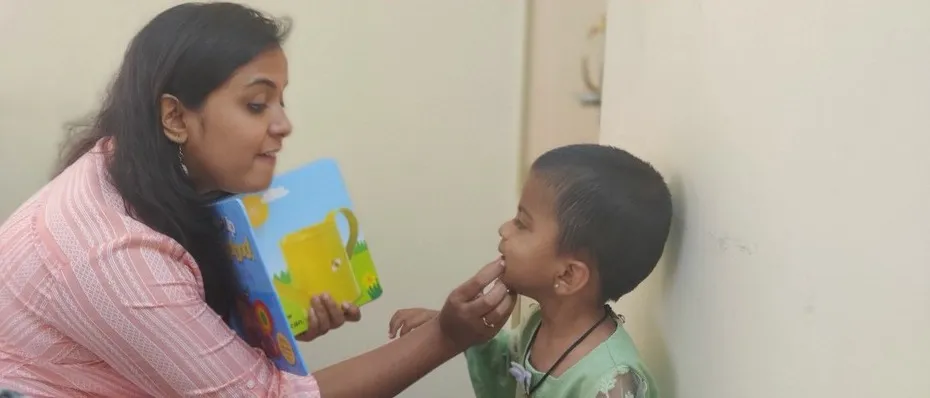
Speech therapy
For late talkers, unclear speech, stammering and apraxia.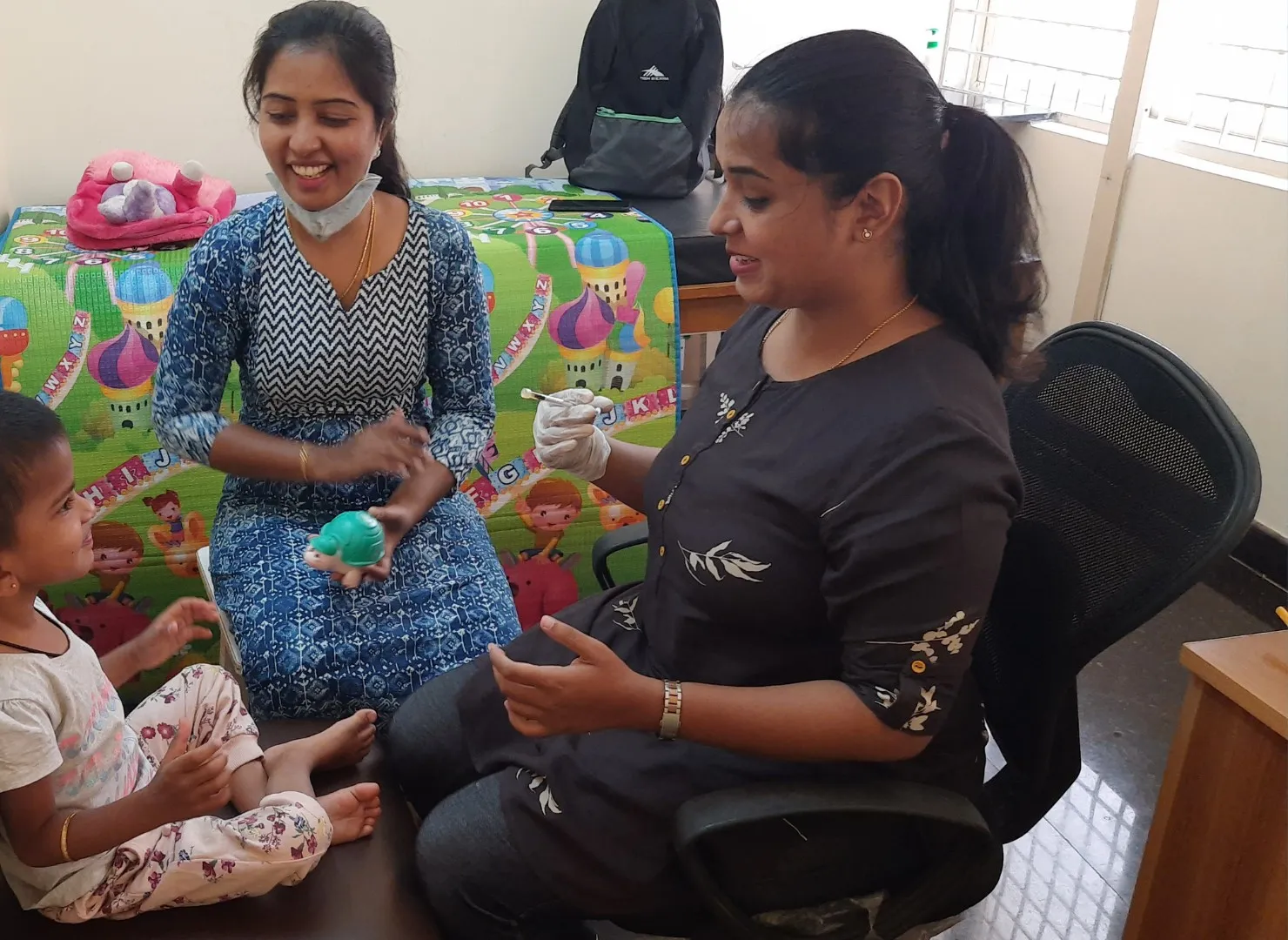
Early intervention
For babies and toddlers, from 3 months to about 5 years, who are slow to reach milestones.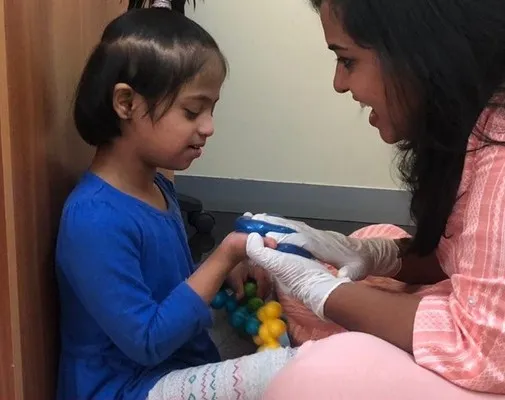
Occupational therapy
For children who find handwriting, movement or everyday tasks like dressing harder than others.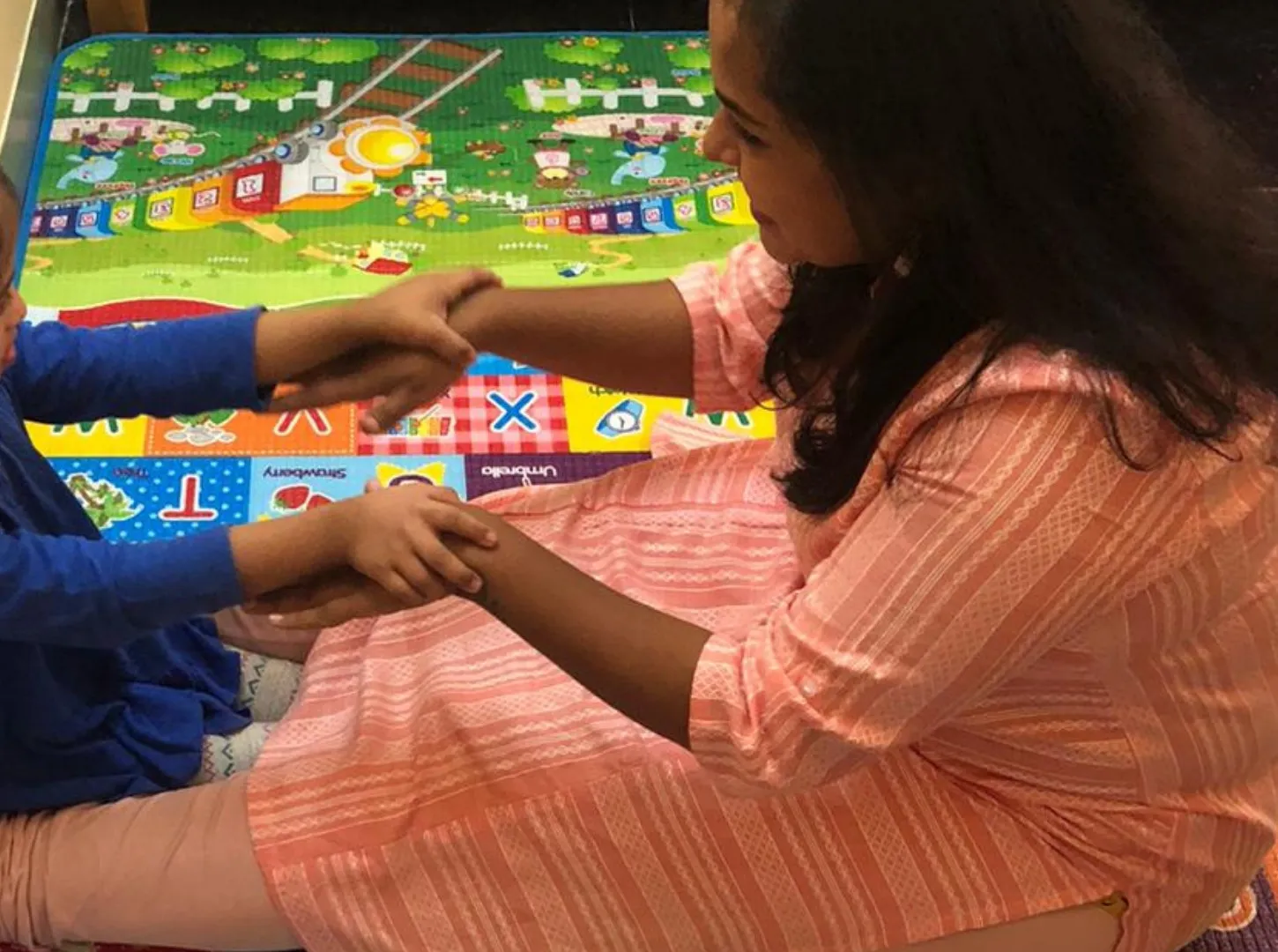
Sensory integration therapy
For children who are over- or under-sensitive to sound, touch or movement.
Wondering if this is right for your child?
Every child’s needs are different. Talk to us, and we’ll think it through with you.